
Prefabricated Houses vs. Traditional Homes: Which Offers Better Long-Term Value?
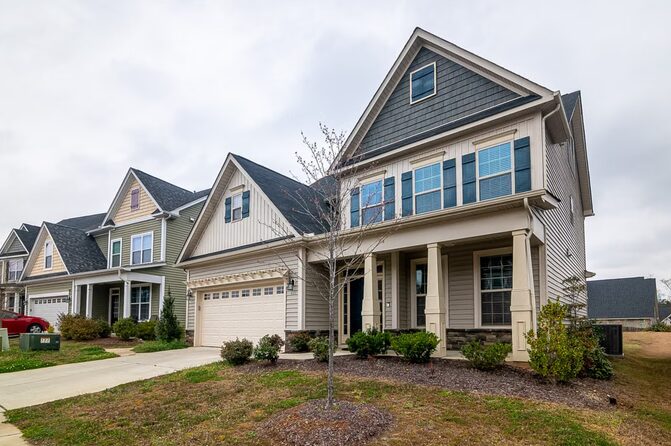
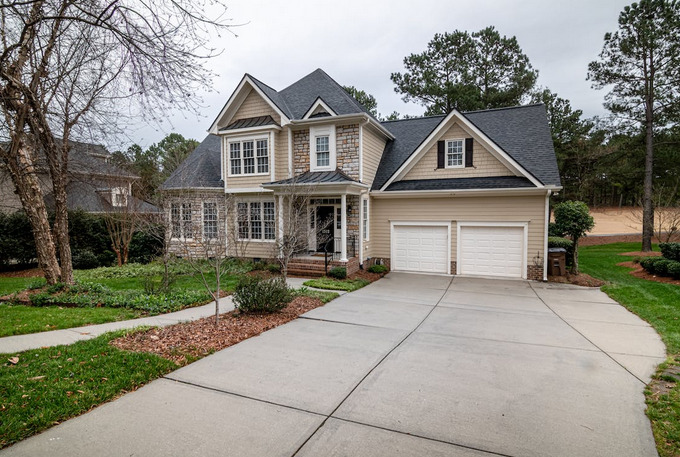
Choosing between a prefabricated house and a traditional home is one of the biggest decisions many buyers face. While both options offer unique advantages, the real question is which one provides better long-term value. Years ago, traditional homes were often considered the obvious choice because of their reputation for durability and resale value. Today, however, modern prefabricated houses have changed the conversation. Thanks to advances in construction technology, energy efficiency, and design, they are becoming serious competitors in the housing market. Understanding how these two types of homes compare can help buyers make a smarter investment for the future.
Why Prefabricated Homes Are Gaining Attention
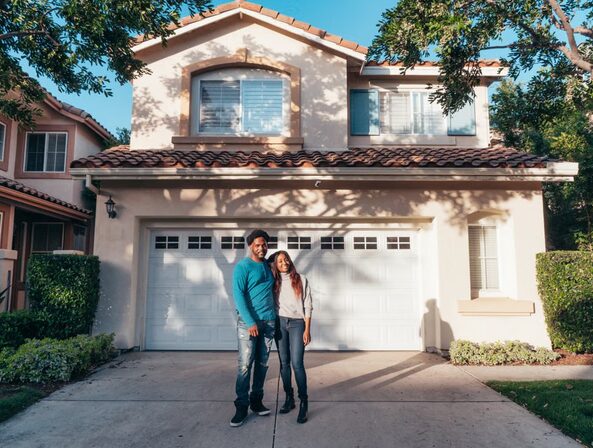
Interest in prefabricated housing has grown steadily as construction methods continue to improve. Reports from NN.de highlight how industry experts expect prefabricated houses to become even more popular in the coming years because of their efficiency, affordability, and modern construction standards. As more buyers recognize these advantages, prefabricated homes are becoming an attractive alternative to conventional houses for those seeking long-term value.
Construction Costs and Overall Affordability
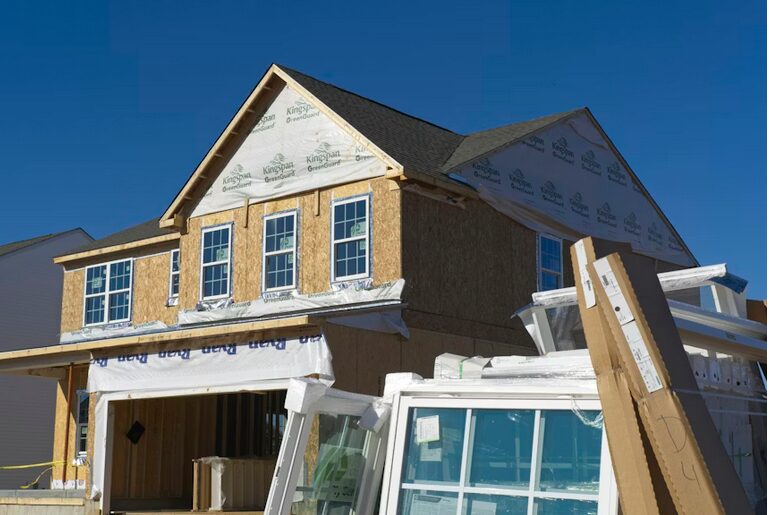
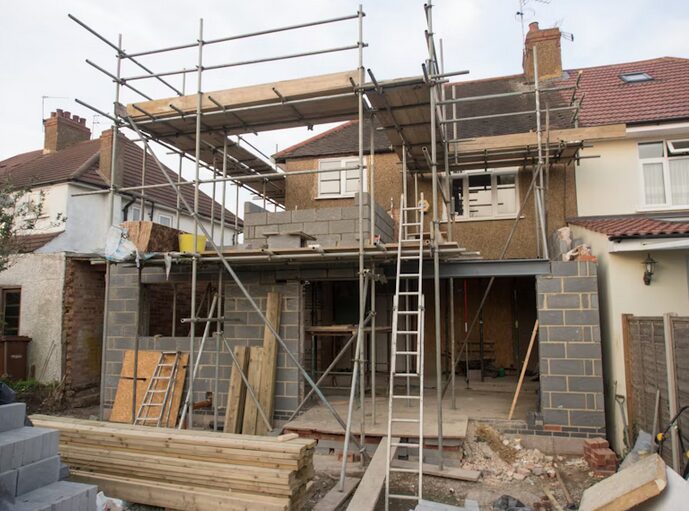
One of the biggest differences between prefabricated and traditional homes is the initial cost. Prefabricated houses are often more affordable because many of their components are manufactured in factories where production is carefully controlled. This streamlined process reduces labor costs, minimizes material waste, and shortens construction timelines. Traditional homes usually require more on-site labor and can experience delays caused by weather or supply chain issues. These factors may increase the total construction cost. For buyers working within a specific budget, a prefabricated home may provide better financial value from the beginning.
Durability and Lifespan
 Many people still believe traditional homes are stronger simply because they are built on site. In reality, modern prefabricated houses are constructed to meet strict building regulations and are designed to last for decades. Factory-controlled manufacturing allows builders to produce structural components with consistent precision and quality. Traditional homes can also last for many generations when properly maintained. In both cases, the quality of materials, professional construction, and regular maintenance play a much greater role in determining lifespan than the building method itself.
Energy Efficiency to Save Money
Long-term value is not determined only by the purchase price. Operating costs also have a significant impact over the life of a home. Many prefabricated houses are designed with advanced insulation, energy-efficient windows, and airtight construction techniques that help reduce heating and cooling expenses. Traditional homes can certainly be energy efficient as well, especially newer builds or renovated properties. However, many older homes require upgrades to achieve the same level of efficiency found in modern prefabricated construction. Lower monthly utility bills can make a noticeable difference over many years of homeownership.
Maintenance Requirements Over Time
Every home requires regular maintenance, but the amount of work can vary depending on construction quality and materials. Prefabricated homes often use modern building materials that are selected for durability and low maintenance. Factory precision also reduces the likelihood of certain construction defects. Traditional homes may require more frequent repairs if they contain aging systems or older materials. Regardless of the construction method, homeowners who perform routine inspections and address repairs promptly will help preserve both the condition and value of their property.
Resale Value and Buyer Demand
Resale value remains an important consideration for anyone purchasing a home. Traditional houses have historically enjoyed strong resale demand because they have been the standard choice for many years. However, buyer attitudes toward prefabricated homes have changed considerably. As more people recognize the quality, attractive designs, and energy efficiency of modern prefab homes, demand continues to increase. In desirable neighborhoods with strong housing markets, a well-maintained prefabricated home can hold its value and appeal to a wide range of buyers.
Which Home Is the Better Investment?
The answer depends largely on individual priorities. Buyers looking for lower construction costs, faster completion, and energy savings may find prefabricated houses to be the better long-term investment. Those who value highly customized architecture or prefer traditional construction methods may still choose conventional homes. Rather than focusing …
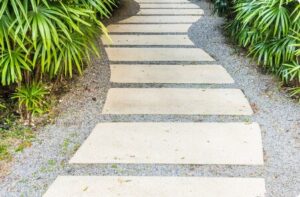 Fairy-themed gardens often start with charming pathways. Cobblestones, stepping stones, or moss-covered trails guide visitors through your magical landscape. Tiny lanterns along the edges enhance the feeling of a hidden world. These paths invite exploration and create a sense of discovery. Planting small flowers or ferns along the edges softens the hardscape. Delicate blossoms can suggest secret fairy gardens hidden among the greenery. Paths don’t have to be long; even small trails can make a big impact. A meandering route adds movement and intrigue to your backyard.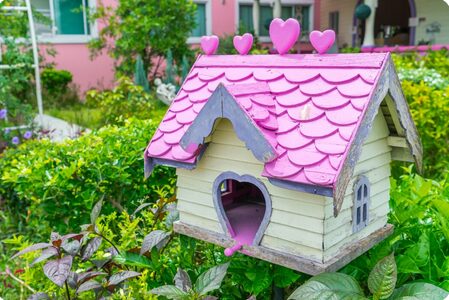
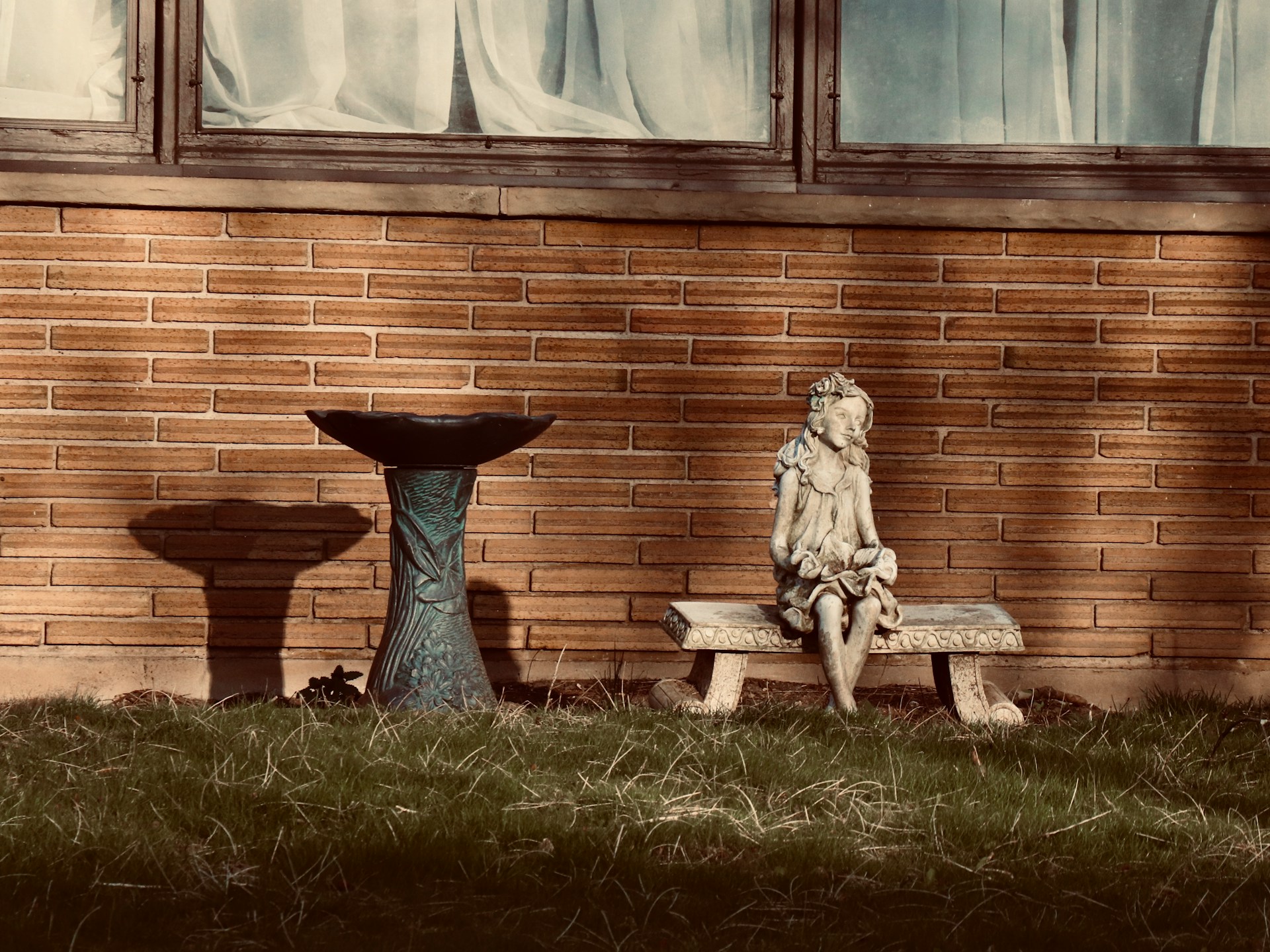 Finishing touches elevate a fairy backyard from charming to mesmerizing. Small wind chimes, glass orbs, and tiny statues add personality. Consider hanging miniature swings or birdhouses for playful movement. Every accessory adds layers of visual interest that draw the eye. Textures also matter. Stones, moss, and bark create a natural contrast. Recycled or found objects can become magical elements with a little creativity. Even the smallest accent can suggest a hidden story. Details complete the fantasy and encourage visitors to linger.




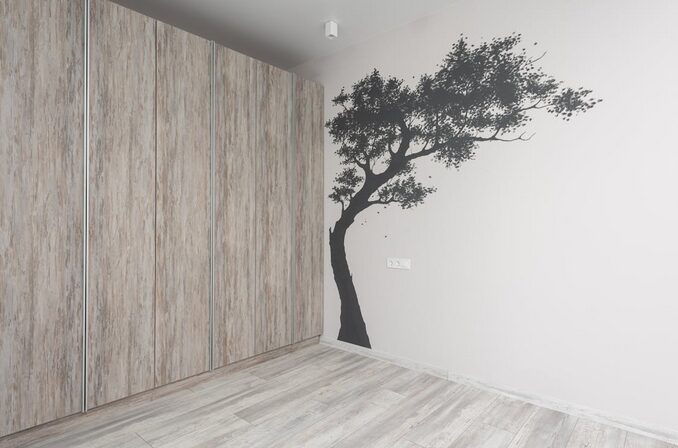
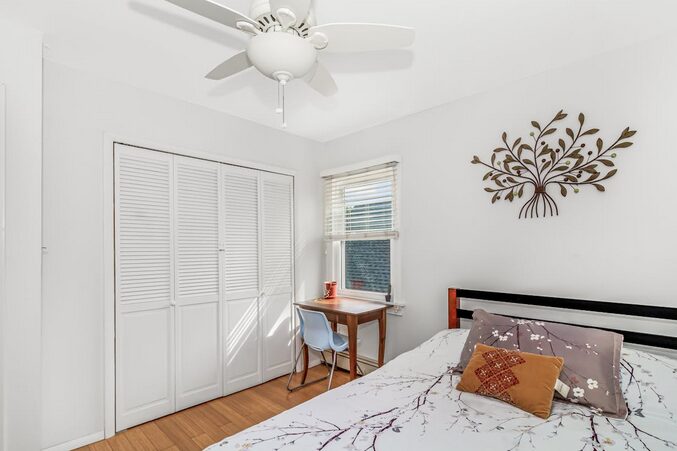
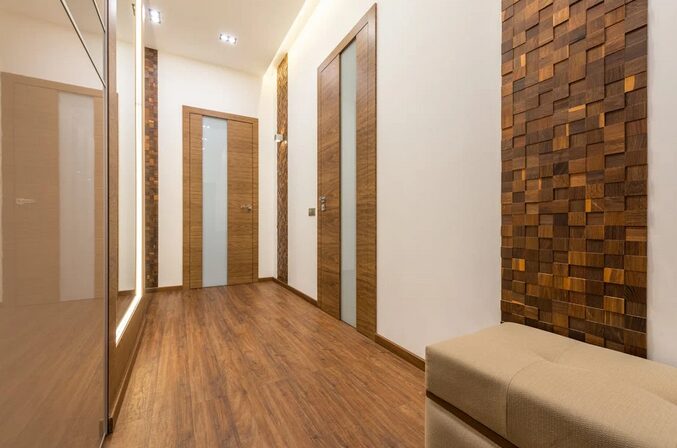
 One of the most significant benefits of soundproofing is its positive impact on sleep quality. Noise from traffic, neighbours, or even household appliances can disturb your sleep, leading to fatigue, irritability, and health issues over time. Soundproofing your bedroom allows you to create a sanctuary of silence that promotes deeper, uninterrupted sleep.
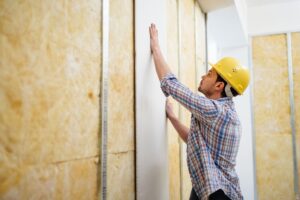 Constant noise exposure can lead to increased stress levels, anxiety, and even health problems such as high blood pressure. Soundproofing your





 If you read real estate-themed sites like
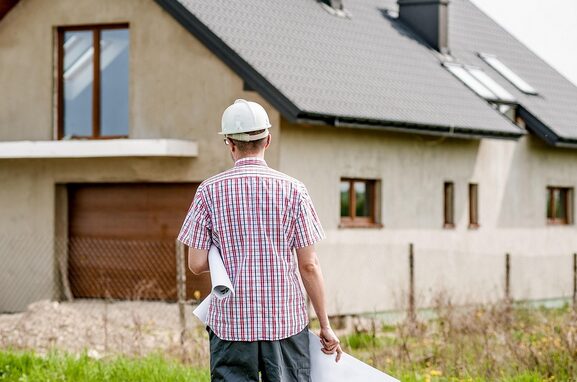
 Working with a professional architect is a valuable step in the process of selecting the right

 As mentioned, indoor plants can be a great way to help detoxify the air in your home. Plants absorb toxins from the air through their leaves, roots, and stems, which helps reduce indoor levels of pollutants like formaldehyde and benzene. Many houseplants are also natural humidifiers, meaning they give off the moisture that helps keep the humidity in your home at a comfortable level. The best part is that you don’t have to be an expert gardener to cultivate a thriving mini garden indoors.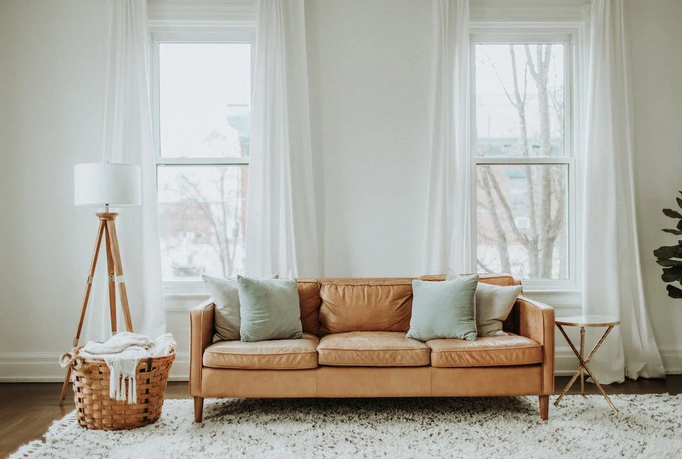

 If you notice that your skin is scaly, dry, or itchy, this could be a sign that your water is too hard. The high levels of minerals in hard water might strip away natural oils in your skin, to it feeling irritated and dry. If you have sensitive skin, you might also experience redness or rashes. If you notice any of these changes in your skin, it is essential to see a doctor to rule out other possible causes.
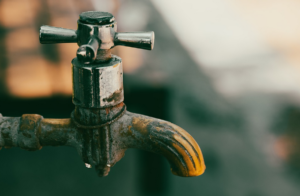 Another way to tell if you have hard water is by looking at your appliances. Over time, the minerals in hard water can build up in your pipes and cause them to clog. This can lead to decreased water pressure and reduced efficiency. You might also notice that your clothes are not as clean as they used to be or that your dishes have a cloudy film.
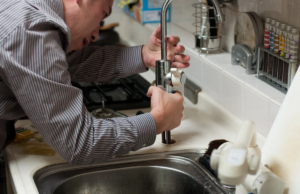 Hard water can also cause problems with your plumbing. The minerals in hard water can build up in your pipes and clog. This can cause decreased water pressure and reduced efficiency. You might also notice that your clothes are not as clean as they used to be or that your dishes have a cloudy film.
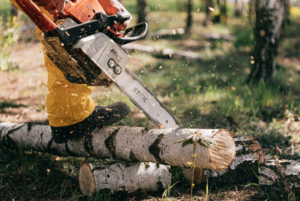 Trees can be beautiful additions to any property, but they also come with a certain responsibility. It’s important to inspect the trees on your property regularly and remove any dead or dying branches. This will help keep your trees healthy and prevent them from posing a danger to your home or other structures on your property. There are cases where trees are near homes, and their branches fall and damage the property. You need to cut it by hiring tree removal services to prevent this. It is known that
  The last important part of property maintenance is keeping the grass trimmed. This may seem like a simple task, but it’s very important. Long grass can attract pests, it can harbor diseases, and can create fire hazards. By keeping your grass short, you can help keep your property safe and healthy. You can purchase a lawnmower to do the job yourself, or you can hire a professional lawn care service. This is how many people choose to handle their lawn care needs.